“At Datamars, we celebrate with activities like pouring water over Buddha images, paying respects at the spirit houses and the Brahma shrine, and Receiving New Year Blessings from Elders,” said Thanyarat Kitiwong (New), Senior Human Resources Officer. “We also treated all employees to a shared lunch as part of the celebration.”
Step into the celebrations and learn a little bit more about the meaning behind Songkran’s traditions through photos from our team in Thailand.
Pouring water over Buddha
.jpg)
Bathing Buddha statues, known as “Song NamPhra,” is a sacred ritual that reflects deep faith and reverence in Buddhism. By gently cleansing the statue with Thai fragrant water and flower petals, it symbolises the washing away of past misfortunes and mistakes and the welcoming of good fortune. Unlike the playful water celebrations, this mindful tradition fosters a sense of peace and encourages a virtuous, fresh start to the year ahead.
Offerings to the Brahma shrine
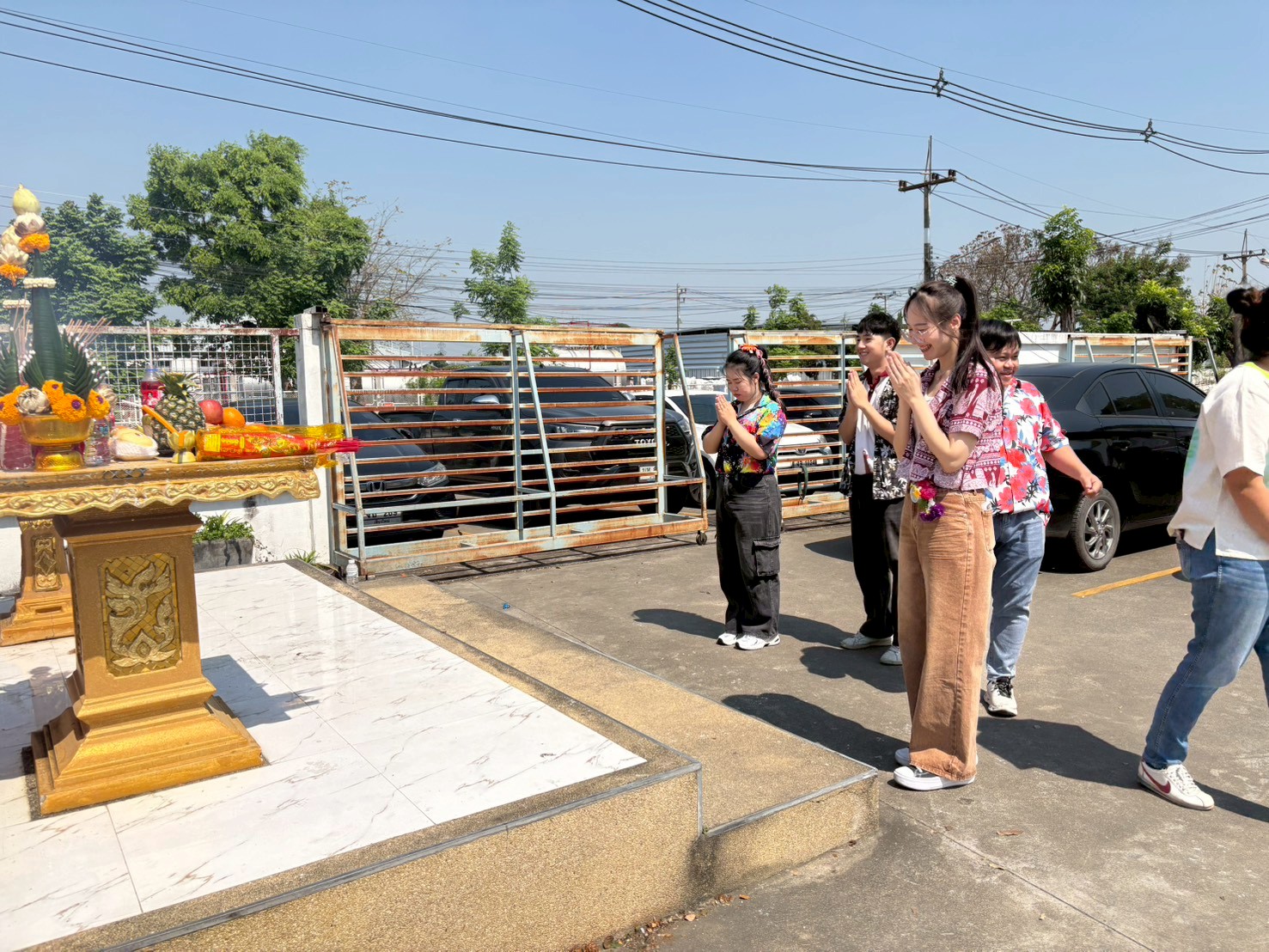
Brahma is associated with creation, protection, and good fortune, so it’s common to see Brahma or spirit shrines outside of businesses in Thailand, including hereat Datamars Thailand. During Songkran, visiting these shrines is believed to bring luck and blessings for the New Year. Offerings such as food, fruit, flowers, and incense are presented to express gratitude and seek blessings for the year ahead. These acts of devotion are widely believed to bring protection, guidance, and a sense of harmony to the workplace.
Sharing meals together
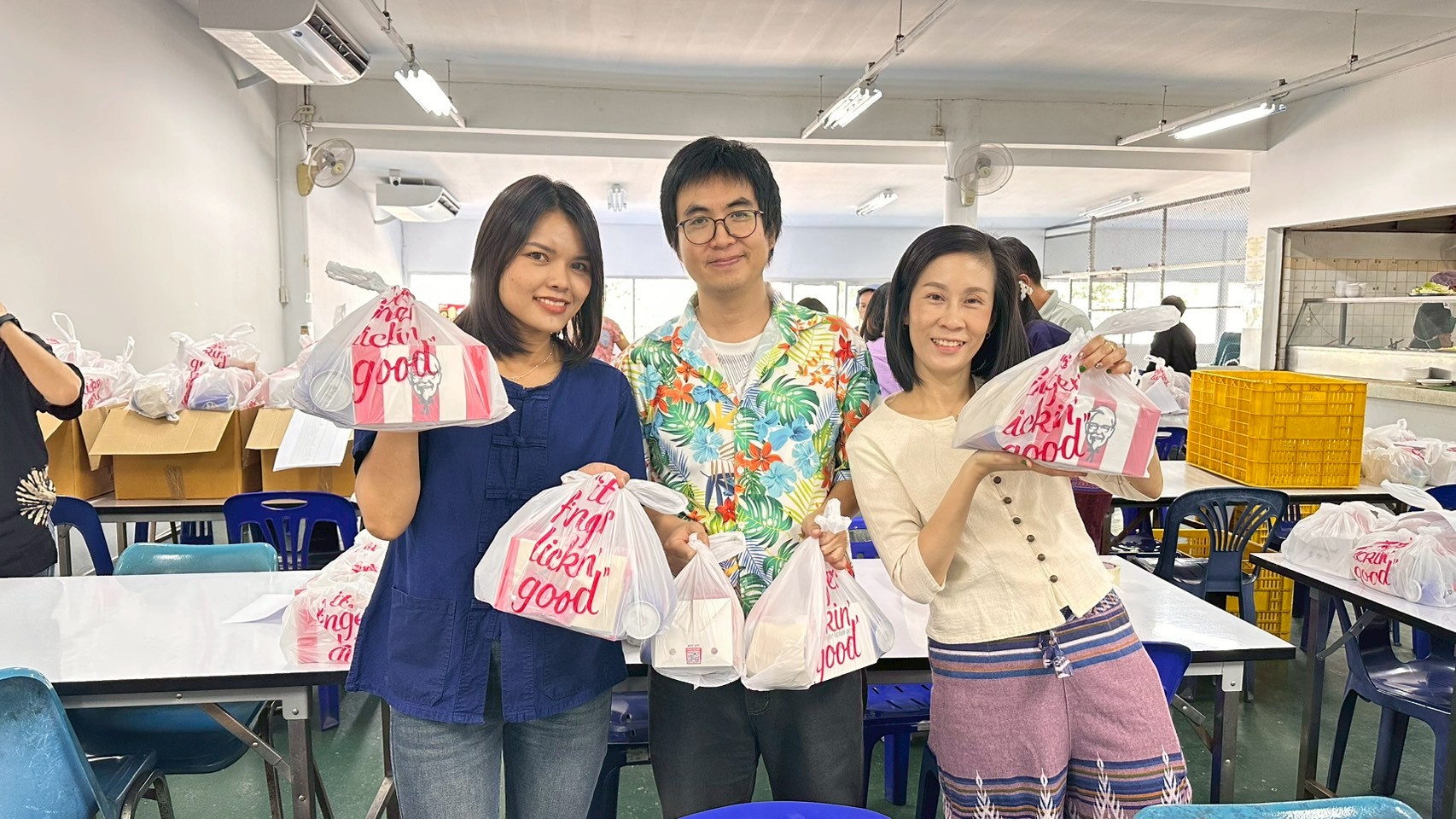
Food is important socially and spiritually during Songkran. Sharing meals brings people together and reflects values of generosity, gratitude and community, helping to start the new year on a positive, connected note.
Songkran is a great reminder to take a moment to reset, reconnect and show appreciation that can set the tone for the year ahead.